
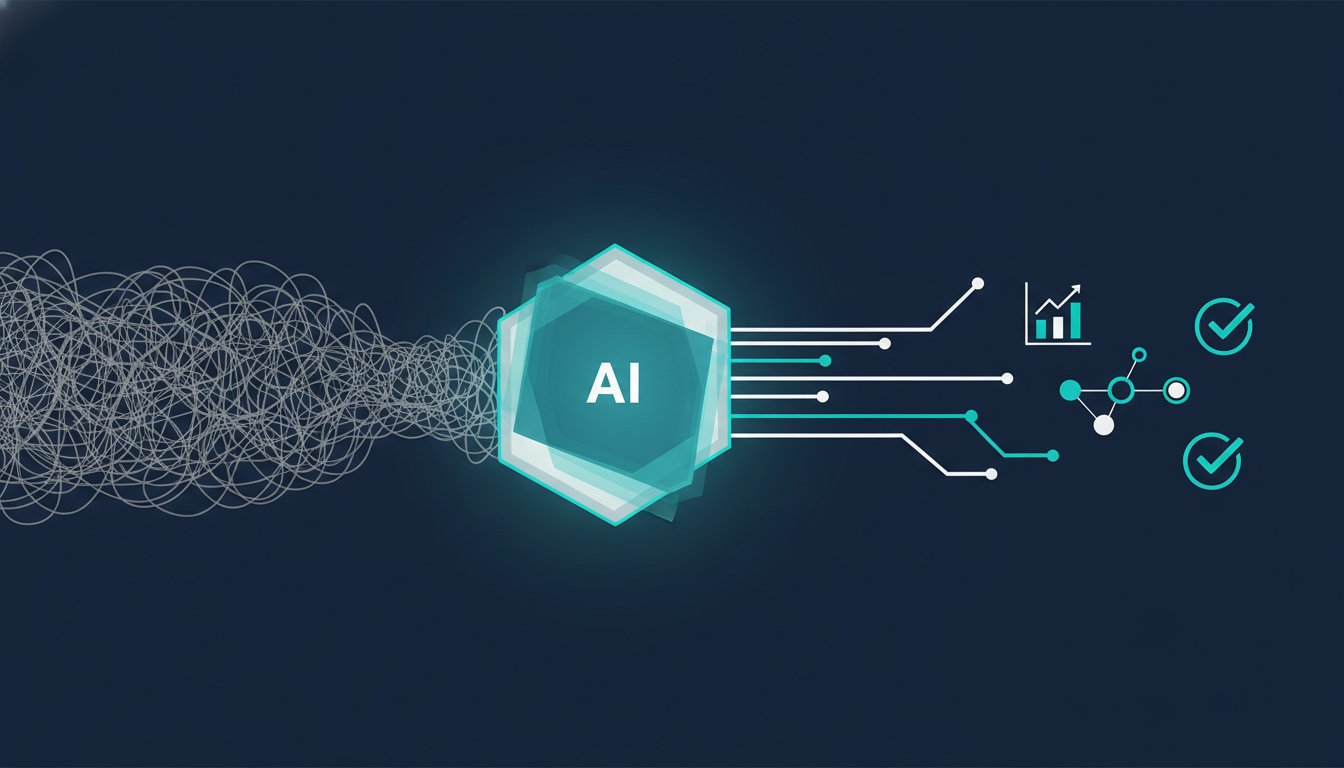
In the high-stakes arena of institutional investing, the race for alpha is won or lost in due diligence. Traditional methods, however, represent a critical bottleneck-a manual, months-long process overwhelmed by massive volumes of unstructured data and the inherent risk of human bias. This operational drag not only delays execution but allows high-value opportunities to slip away. For firms under constant pressure to outperform, the legacy approach is no longer sufficient to maintain a competitive edge. This is precisely where the new frontier is being defined by AI-powered asset analysis, a technology moving from a theoretical advantage to an operational necessity.
This article provides a definitive overview of this transformation. We will explore how intelligent ecosystems are enabling investors to compress evaluation timelines from months to weeks, expose non-obvious risks buried within complex assets, and drive more accurate, data-driven decisions. Discover how to systematically dismantle legacy constraints, accelerate your deal flow, and gain the decisive analytical advantage required to lead in today's demanding private markets.
The Paradigm Shift: From Manual Due diligence to AI-Powered Intelligence
The landscape of institutional investment is undergoing a tectonic shift. For decades, asset analysis relied on manual due diligence-a process defined by exhaustive human effort, expert intuition, and inherent limitations. Today, this paradigm is being displaced by an intelligent, data-driven framework. The integration of artificial intelligence is not about replacing human expertise; it is about augmenting it, creating a powerful synergy between analyst and algorithm for superior outcomes.
To visualize the mechanics of this technological shift, consider the following overview:
Limitations of Traditional Analysis
The conventional approach to due diligence, while foundational, is fundamentally constrained in the modern data ecosystem. Its operational inefficiencies create significant risk and opportunity cost. Key limitations include:
- Human Vulnerability: Susceptible to cognitive biases, emotional judgment, and simple clerical errors that can compromise entire valuations.
- Operational Bottlenecks: The process is exceptionally time-consuming, limiting the volume and velocity of deal flow an institution can manage.
- Constrained Scope: Analysts can only review a finite number of documents and data points, leaving vast, potentially critical, information sets untouched.
- Unstructured Data Blindness: Ineffective at systematically extracting value from unstructured sources like legal contracts, news sentiment, or regulatory filings.
Core Capabilities of AI in Asset Analysis
In contrast, a robust AI-powered asset analysis engine processes information at a scale and speed unattainable by human teams. This capability evolves beyond the rule-based instructions of early algorithmic trading systems into a dynamic learning ecosystem. Core AI functions that drive competitive advantage include:
- Pattern Recognition: Identifying complex, non-obvious correlations across disparate market datasets to uncover hidden opportunities and risks.
- Predictive Analytics: Leveraging machine learning models to forecast asset performance, market trends, and potential volatility with greater accuracy.
- Automated Data Extraction: Instantly pulling key metrics, clauses, and financial data from thousands of documents, standardizing information for rapid comparison.
- Real-Time Risk Detection: Continuously monitoring data streams to flag anomalies, compliance issues, and negative sentiment that could impact asset value.
How AI Interrogates Private Market Assets: Practical Use Cases
The theoretical power of AI translates into tangible advantages when applied to specific private market asset classes. Instead of a linear, document-based review, AI delivers a multi-dimensional, data-driven perspective. It synthesizes vast, unstructured datasets to build a more complete and predictive picture of an asset's value and risk profile, fundamentally accelerating the preliminary due diligence process.
Analyzing Real Estate Assets
For real estate, AI-powered asset analysis moves beyond simple comps and cash flow projections. Proprietary algorithms leverage computer vision to analyze satellite imagery, quantifying site traffic, tracking nearby development, and even assessing property conditions remotely. Simultaneously, Natural Language Processing (NLP) models parse thousands of pages of zoning laws, building permits, and environmental reports to flag regulatory risks or opportunities. This data feeds predictive models that forecast rental yields and value appreciation with greater accuracy by incorporating dynamic factors like local market sentiment, which is gauged from news and social data streams.
Evaluating Corporate Equity
In private equity, AI provides an unparalleled analytical edge. It can scrape and structure financial data from SEC filings and investor reports at a scale and speed unachievable by human teams. NLP is deployed to analyze earnings call transcripts, detecting subtle shifts in management sentiment or confidence. This capability reflects the broader trend in the current uses of AI in institutional investing, where technology augments expert judgment. Furthermore, AI platforms can map complex supply chain vulnerabilities using alternative data, instantly benchmarking a target company’s KPIs against a curated universe of competitors to reveal its true market position.
Assessing Distressed Credit & NPLs
The complexity and opacity of distressed assets make them an ideal use case for AI. In a sector dominated by dense legal documentation, AI delivers critical clarity and speed. Key applications include:
- Automated Document Analysis: AI rapidly extracts critical covenants, collateral details, and default terms from complex loan agreements and legal filings.
- Predictive Recovery Modeling: Algorithms forecast recovery rates by analyzing historical outcomes based on collateral type, legal jurisdiction, and debtor profiles.
- Intelligent Portfolio Segmentation: Machine learning clusters large loan portfolios to identify high-risk segments or pockets of high-value recovery opportunities that manual analysis would miss.
- Real-Time Monitoring: The system continuously monitors court proceedings and regulatory changes that could materially impact asset recovery values.
The Technology Under the Hood: Demystifying AI for Investors
To many institutional investors, AI can appear to be an impenetrable "black box." However, the power of AI-powered asset analysis is not derived from inscrutable processes, but from a suite of distinct, logical technologies. Understanding these core components is essential for any firm seeking to harness the transformative impact from AI and secure a competitive advantage. These are not opaque systems; they are sophisticated engines engineered to deliver explainable, data-driven insights for superior decision-making.
Machine Learning (ML): The Predictive Engine
At its core, Machine Learning enables systems to learn from historical data to make precise forecasts. ML models analyze vast, multi-faceted datasets to identify the subtle patterns and correlations that drive asset performance. For example, in commercial real estate, an ML algorithm can process decades of market data-from economic indicators to demographic shifts-to accurately forecast future occupancy rates and rental income for a specific asset class, providing a clear, quantitative basis for valuation.
Natural Language Processing (NLP): Reading the Fine Print
Comprehensive due diligence often requires navigating thousands of pages of unstructured text. Natural Language Processing automates this critical function with superior speed and accuracy. NLP algorithms read and comprehend legal documents, financial reports, and market commentary at scale. This technology can, for instance, scan an entire portfolio of loan agreements to instantly identify and flag all instances of restrictive covenants or specific risk clauses, transforming a time-intensive manual review into an efficient, structured data extraction process-a cornerstone of modern AI-powered asset analysis.
Computer Vision: Seeing What Humans Miss
Computer Vision extends AI's analytical capabilities to the physical world by interpreting images and video data. This is invaluable for monitoring and verifying tangible assets remotely. For an infrastructure fund, computer vision can analyze satellite imagery or drone footage to track construction progress, verify material deliveries, and assess site conditions against project schedules. This provides objective, real-time verification that reduces operational risk and enhances oversight without the need for constant physical inspections.
The ROI of Intelligence: Quantifying the Benefits of AI-Driven Analysis
The true value of artificial intelligence in finance is not its technical sophistication, but its direct impact on the bottom line. For institutional investors, integrating AI translates abstract algorithms into measurable returns on investment. The benefits of AI-powered asset analysis are quantified across three core pillars: unprecedented speed, enhanced analytical accuracy, and the generation of demonstrable alpha.
Accelerated Due Diligence & Deal Flow
In competitive private markets, speed is a critical advantage. AI compresses the due diligence timeline, transforming a multi-week process into a matter of hours. This operational velocity allows investment teams to vet a higher volume of opportunities without increasing headcount, ensuring they are first to act on high-potential assets. This efficiency leads to tangible outcomes:
- Time Reduction: Cut preliminary asset screening time by up to 95%, from weeks to mere hours.
- Increased Capacity: Enable analysts to evaluate 3-5x more deals, significantly expanding the top of the investment funnel.
- First-Mover Advantage: Secure a decisive edge in competitive bidding by completing initial analysis before rivals.
Leading platforms are engineered for this exact purpose. Explore how the SIMINVEST platform accelerates deal sourcing and transforms your operational efficiency.
Enhanced Accuracy & Risk Mitigation
Human bias, whether conscious or unconscious, can skew investment decisions. AI mitigates this by applying objective, data-driven models to initial screenings. By systematically cross-validating thousands of data points from disparate sources-from financial statements to satellite imagery-these systems identify inconsistencies and flag hidden risks that manual reviews often miss, protecting capital and improving decision integrity.
Uncovering Alpha: The Competitive Edge
Ultimately, the synthesis of speed and accuracy is what generates alpha. Sophisticated AI-powered asset analysis uncovers value where others cannot by processing vast, unstructured datasets-such as market sentiment, supply chain logistics, and regulatory filings-to find predictive patterns. This intelligence empowers investors to build more resilient, high-performance portfolios by:
- Identifying Undervalued Assets: Pinpoint opportunities with strong fundamentals that the broader market has overlooked.
- Forecasting Market Trends: Detect emerging micro and macro trends before they become consensus.
- Optimizing Diversification: Construct portfolios with a statistically optimized balance of risk and reward based on deep correlational analysis.
Adopting AI: Strategic Pathways for Investment Firms
Integrating artificial intelligence is no longer an option for institutional investors; it is a strategic imperative. The path to adoption determines the speed and efficacy of a firm's competitive advantage in an increasingly complex market. Success hinges on a clear-eyed assessment of internal capabilities, data infrastructure, and long-term strategic goals.
The Build vs. Buy Decision
Firms face a critical decision when integrating AI into their workflows. The primary options present a classic trade-off between control and efficiency:
- Building In-House: This path offers maximum customization but demands significant capital expenditure, long development timelines (18-24+ months), and access to scarce, highly specialized AI talent.
- Buying Off-the-Shelf: A faster route to implementation, but generic software often fails to align with the nuanced due diligence and analysis workflows specific to private markets.
- Partnering with a Platform: The optimal balance. Leveraging a specialized platform provides immediate access to sophisticated models, curated datasets, and secure infrastructure without the prohibitive overhead of in-house development.
The Central Role of Data Integrity
The efficacy of any AI system is governed by the principle of 'garbage in, garbage out'. Sophisticated algorithms are rendered useless if fed incomplete, unstructured, or unverified data. High-performance AI-powered asset analysis requires a foundation of clean, comprehensive, and trusted datasets-a significant barrier for many firms. Intelligent ecosystems like SimInvest solve this fundamental challenge by providing a secure environment with curated, verified data, ensuring that analytical outputs are both reliable and actionable.
Preparing Your Team for an AI-Powered Future
The adoption of AI redefines the role of the investment analyst, shifting focus from manual data aggregation to high-level strategic interpretation. AI becomes the engine for processing vast information streams, empowering analysts to dedicate their expertise to validating insights, identifying nuanced opportunities, and formulating complex investment theses. Fostering a culture of data-driven decision-making is critical. The most valuable skills in this new paradigm are not data entry, but critical thinking and the ability to effectively query and challenge the outputs of advanced AI-powered asset analysis tools.
The Intelligent Mandate for Institutional Investors
The paradigm shift is undeniable: the era of laborious, manual due diligence is yielding to the superior speed, depth, and precision of artificial intelligence. This evolution delivers a quantifiable return on investment by drastically accelerating opportunity identification, enhancing risk mitigation, and unlocking insights previously buried in vast data sets. The strategic adoption of AI-powered asset analysis is no longer a future concept but a present-day mandate for institutional investors committed to securing a decisive competitive edge in the private markets.
SimInvest provides the intelligent ecosystem to execute this mandate. Our platform integrates proprietary algorithms to perform instant preliminary due diligence, all within a secure, end-to-end encrypted virtual data room. This technology gives your firm exclusive access to our curated marketplace of verified Italian assets, transforming your investment workflow. The time to harness this technological advantage is now. Request a demo to see how SIMINVEST's AI delivers actionable intelligence.
Frequently Asked Questions
Is AI-powered analysis intended to replace human investment analysts?
No. The objective is to augment human expertise, not replace it. AI automates high-volume, repetitive tasks like data extraction and preliminary screening, accelerating the due diligence process. This empowers analysts to dedicate their focus to higher-value strategic functions, such as complex deal structuring, negotiation, and client relationship management. The result is a more efficient and data-driven investment team, leveraging technology to gain a competitive advantage.
How can I trust the outputs of an AI model if I don't understand its internal workings?
Trust is established through transparency, data integrity, and verifiable performance. Our platform provides clear data lineage for all insights, allowing you to audit the sources and methodologies used. Proprietary algorithms are rigorously back-tested against historical market data to validate accuracy. We prioritize explainable AI (XAI), ensuring outputs are traceable and support your firm’s rigorous internal validation protocols, eliminating the "black box" problem.
What are the data security and confidentiality implications of using an AI analysis platform?
Data security is a foundational principle of our intelligent ecosystem. All client data is protected with end-to-end encryption, both in transit and at rest, within a SOC 2 certified environment. We adhere to the highest industry standards for security and confidentiality. Granular, role-based access controls ensure that sensitive financial information is accessible only to authorized personnel within your institution, guaranteeing the integrity and privacy of your proprietary data.
How does AI handle the nuances and unique characteristics of private market assets?
Our AI-powered asset analysis is specifically engineered for the complexities of private markets. The system excels at processing vast quantities of unstructured data from sources like limited partnership agreements, financial statements, and confidential information memorandums. By identifying patterns and risk factors across these disparate documents, our AI provides a quantitative edge in an asset class traditionally defined by qualitative assessments, delivering unprecedented depth in due diligence.
What is the first step my firm should take to start leveraging AI in our investment process?
The most effective entry point is a pilot program focused on a specific, high-impact workflow. We recommend identifying a critical area, such as automating initial deal screening or accelerating due diligence for a target asset class. This allows your firm to integrate AI in a controlled environment, measure immediate ROI, and build internal expertise. Our integration specialists will partner with your team to define the scope and ensure a seamless deployment.
Can AI-powered analysis be customized to our firm's specific investment thesis?
Yes. Customization is a core feature of the platform. The models can be precisely calibrated to align with your firm's unique investment thesis, risk tolerance, and proprietary screening criteria. Whether your focus is on specific sectors, geographic regions, or ESG mandates, the system is configured to prioritize the factors that define your strategy. This ensures the intelligence generated is not generic but directly actionable for your portfolio managers.